The lavender ameraucana has rapidly become one of the most sought-after backyard chickens, thanks to its peaceful temperament, elegant appearance, and iconic blue eggs. Whether you’re a small-scale homesteader or a passionate poultry enthusiast, this rare chicken offers a rewarding blend of beauty, productivity, and charm. With its soft lavender-gray feathers and gentle demeanor, it’s no wonder the breed is gaining a devoted following among keepers who want birds that are both visually stunning and practical.
In this guide, we’ll explore everything that makes the lavender ameraucana a standout breed: its origins, unique genetics, physical characteristics, care needs, and breeding considerations. By the end, you’ll know exactly why this bird has soared in popularity—and whether it’s the perfect addition to your flock.
Origins and History of the Lavender Ameraucana
The story of the lavender ameraucana begins with the development of the Ameraucana breed itself, which emerged in the United States in the 1970s. Ameraucanas were selectively bred from Araucanas to retain the distinctive blue egg gene while eliminating traits such as the lethal tuft gene. Lavender Ameraucanas are not a separate breed but rather a rare color variety within the Ameraucana standard. Their popularity has risen due to their consistent coloring, friendly nature, and reliable egg production.
Unlike some color varieties that occur naturally within a breed, the lavender coloration required careful genetic refinement. Breeders focused on propagating the recessive lavender (self-blue) gene, which produces consistent pastel coloration across every feather. Because this color is recessive, it took generations of intentional pairing to establish reliable lavender lines. Today, dedicated breeders continue to preserve and improve the variety while working toward broader acceptance within official poultry associations.
The lavender variety is still considered relatively rare, largely because of the complexity involved in breeding for the self-blue gene. Maintaining consistency in both color and conformation takes time and skill. As a result, well-bred lavender Ameraucanas are highly valued by poultry keepers and often command higher prices than more common color varieties. Their rarity adds an element of exclusivity, attracting collectors and hobbyists who enjoy working with unique and visually captivating birds.
Physical Characteristics and Appearance
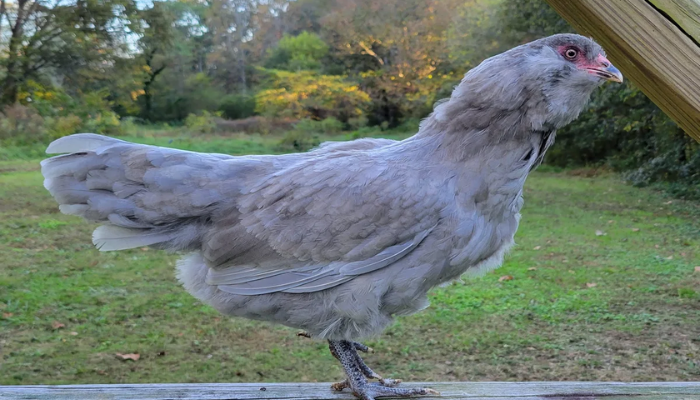
The most striking feature of the lavender ameraucana is undoubtedly its plumage. Every feather carries a soft, silvery-lavender hue that gives the bird a dreamy, pastel look. Unlike splash or blue varieties, which can show variations in shade, lavender birds have consistent coloration throughout the body. This uniformity is a hallmark of the self-blue gene and contributes to the breed’s refined appearance. Their beards and muffs add dimension to their faces, creating a fluffy “framed” look that contrasts beautifully with the cool-toned feathers.
In addition to their feathers, Lavender Ameraucanas have other recognizable breed traits, including a pea comb, slate legs, and a distinctive upright but compact body shape. Their eyes are typically reddish-brown, and their facial features are full of personality. As medium-sized birds, they balance elegance with durability. Their posture reflects confidence, and their beard-and-muff combination gives them a unique silhouette that sets them apart from many other backyard breeds.
Egg color is another defining physical trait. Lavender Ameraucanas lay medium to large blue eggs, which remain a significant draw for backyard chicken enthusiasts. The shell color can range from sky blue to turquoise, but it should always fall within the blue spectrum. This ability to produce true blue eggs, rather than blue-tinted or greenish ones, is part of what elevates Ameraucanas above other breeds that carry the blue egg gene inconsistently.
Temperament and Behavior
The lavender ameraucana is known for its calm and even-tempered personality, making it a great choice for beginners and experienced keepers alike. While they are not typically lap chickens, many owners describe them as friendly, curious, and gentle. They interact well with humans without being overly demanding of attention. Their nature makes them a harmonious addition to mixed flocks, though they sometimes prefer to keep to themselves rather than compete with more dominant breeds.
These birds also carry a curious intelligence, which helps them navigate free-ranging environments with ease. Their awareness and alertness make them good at avoiding predators when given sufficient space to roam. While they are not aggressive, they are observant and quick to respond to changes in their surroundings. Their calm disposition allows them to adapt well to different environments, from larger homesteads to backyard coops in suburban settings.
Another appealing behavioral trait is their steady productivity without excessive broodiness. Lavender Ameraucanas are not typically prone to going broody, which means keepers can count on consistent egg production throughout the laying season. This balance of disposition and productivity is part of what makes them a favorite among flock owners who want a reliable and attractive bird.
Care Requirements and Health Considerations
Caring for a lavender ameraucana is relatively straightforward, as they are a hardy breed capable of thriving in a variety of climates. Their pea comb offers good protection against frostbite in cold temperatures, making them suitable for northern regions. However, they still appreciate adequate shelter, dry bedding, and protection from extreme weather. Ventilation in the coop is essential, as their beards and muffs can collect moisture if humidity levels are too high.
Feeding Lavender Ameraucanas follows the same basic guidelines as other chickens: a balanced poultry feed rich in protein and essential nutrients, supplemented with occasional treats such as fresh greens, fruits, and grains. These birds also benefit from access to grit and calcium sources, especially during peak laying months. Offering free-range time can boost their overall health, as they enjoy foraging and exploring their environment.
In terms of health, Lavender Ameraucanas generally have strong immune systems, but their facial feathers require a bit of extra attention. Beards and muffs can sometimes trap debris or moisture, leading to minor issues if not monitored. Regular health checks, clean water sources, and routine coop maintenance are all part of ensuring their well-being. With proper care, Lavender Ameraucanas can live long, productive lives while adding color and character to your flock.
Breeding Lavender Ameraucanas Effectively
Breeding the lavender ameraucana requires an understanding of recessive genetics, particularly the self-blue gene. Because lavender is recessive, both parent birds must carry the gene to produce offspring with lavender plumage. This means that selecting high-quality breeding stock is essential. Breeders often maintain separate lines to preserve genetic diversity and ensure consistent coloration, conformation, and personality traits.
In addition to managing genetics, successful breeding involves evaluating individual birds for both physical and behavioral qualities. Breeders look for birds with symmetrical beards and muffs, proper comb shape, correct body type, and uniform feather coloring. Health, vitality, and temperament also play key roles in determining suitable breeding candidates. Maintaining careful records helps breeders track traits and improve their lines over time.
Because the lavender gene can sometimes be linked to feather quality issues, breeders must pay close attention to maintaining strong feather structure across generations. Responsible breeding practices ensure that the lavender variety remains healthy, visually consistent, and aligned with Ameraucana standards. For hobbyists, raising lavender chicks can be extremely rewarding—not only because of their beauty but also because of the satisfaction of contributing to a rare and cherished color variety.
Conclusion
The lavender ameraucana is a stunning, productive, and gentle chicken breed that brings charm and elegance to any flock. From their pastel plumage to their iconic blue eggs, they offer a unique combination of beauty and utility. Whether you’re a novice flock owner or a seasoned poultry keeper, Lavender Ameraucanas are a joy to raise, care for, and admire. With the right attention, environment, and breeding practices, they can thrive for years while adding a touch of soft lavender magic to your backyard.
FAQs About Lavender Ameraucanas
1. What makes the lavender ameraucana unique?
Its soft lavender plumage and true blue eggs set it apart from other chicken varieties.
2. Do lavender Ameraucanas lay blue eggs consistently?
Yes, they lay genuine blue eggs, not tinted or greenish variations.
3. Are lavender Ameraucanas rare?
Yes, they are considered a rare color variety due to the recessive genetics required.
4. Are they suitable for beginners?
Absolutely—their calm, friendly nature makes them great for new chicken owners.
5. How many eggs do they lay?
They typically produce 150–200 blue eggs per year.
6. Do lavender Ameraucanas tolerate cold weather?
Yes, their pea comb helps prevent frostbite in colder climates.
7. Are they good free-range chickens?
Yes, they are alert foragers and adapt well to free-ranging environments.
8. What should I feed my lavender Ameraucana?
A balanced layer feed, supplemented with fresh greens, grains, and grit.
9. Are lavender Ameraucanas broody?
They are generally not very broody, which contributes to consistent egg production.
10. Can I breed lavender Ameraucanas at home?
Yes, but you must understand recessive genetics to reliably produce lavender offspring.
About the Author