The boylecheloid flower is a mesmerizing botanical marvel that has captured the imagination of gardeners, florists, and nature enthusiasts alike. Known for its striking color patterns and unique floral structures, the boylecheloid flower is more than just an ornamental plant—it is a statement of elegance, diversity, and ecological significance. Its adaptability to various climates and soil types makes it a favorite among horticulturists seeking to add a splash of vibrancy to gardens and indoor plant collections.
In this comprehensive guide, we will explore everything you need to know about the boylecheloid flower, including its history, characteristics, ideal growing conditions, landscaping uses, and maintenance tips. By the end of this article, you will not only appreciate its natural beauty but also gain practical knowledge to cultivate and care for this extraordinary flower.
Origins and Botanical Characteristics of the Boylecheloid Flower
The boylecheloid flower has a fascinating origin that reflects both natural evolution and selective horticultural breeding. Native to regions with moderate climates, this flower belongs to a genus known for its hardy and visually striking members. Over time, horticulturists have introduced variations that enhance its vibrant colors, petal patterns, and growth habits, making it a centerpiece in modern gardens.
Botanically, the boylecheloid flower is characterized by its layered petals, symmetrical floral structures, and intricate color gradations. The petals often exhibit a unique blend of hues, ranging from soft pastels to vivid, eye-catching tones, creating a natural gradient effect. Its foliage is equally attractive, typically featuring lush green leaves that provide a stunning contrast to the colorful blossoms. The combination of these traits makes the boylecheloid flower highly desirable for decorative arrangements and outdoor landscapes.
Growing Conditions and Ideal Care Practices
To thrive, the boylecheloid flower requires specific environmental conditions and attentive care. It prefers well-drained soil enriched with organic matter, ensuring adequate nutrients for vibrant blooms. A slightly acidic to neutral pH range is ideal, as it promotes healthy root development and prolonged flowering periods. Regular soil testing and amendments can help maintain optimal conditions.
Sunlight exposure is another critical factor. Boylecheloid flowers flourish in locations that receive partial to full sunlight. While direct sunlight encourages robust growth and vibrant colors, extreme exposure can sometimes cause petal scorching, so balanced light is recommended. Watering should be consistent but moderate, avoiding waterlogged soil that can lead to root rot. Additionally, periodic fertilization with a balanced, bloom-enhancing formula supports continuous flowering and overall plant health.
Landscaping and Decorative Uses
Boylecheloid flowers are versatile and can be incorporated into various landscaping designs and decorative setups. In gardens, they serve as striking focal points, either as standalone clusters or as part of mixed flower beds. Their vibrant hues and unique petal arrangements make them ideal for creating visual contrast and seasonal interest. Edging pathways with boylecheloid flowers can also add elegance and structure to garden layouts.
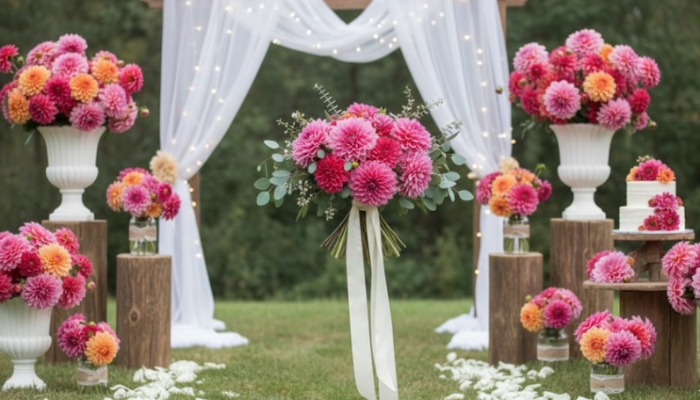
Beyond traditional garden spaces, these flowers are highly sought after in floral arrangements and interior decoration. Their long-lasting blooms and captivating shapes make them perfect for bouquets, centerpieces, and decorative pots. Some horticulturists even use boylecheloid flowers in themed gardens, such as butterfly or pollinator gardens, due to their ability to attract bees, butterflies, and other beneficial insects, adding ecological value alongside aesthetic appeal.
Common Varieties and Color Patterns
The boylecheloid flower comes in a wide array of varieties, each showcasing unique characteristics. Some popular cultivars are prized for their vibrant single-color petals, while others feature intricate bi-colored or multi-colored patterns. These variations provide endless creative opportunities for gardeners and designers seeking to craft visually dynamic floral displays.
In addition to color, petal shape and size vary significantly among boylecheloid flower varieties. Some species exhibit broad, overlapping petals, while others feature delicate, ruffled edges. Understanding the differences between varieties is essential for proper placement in gardens or decorative arrangements, ensuring the flower’s visual impact is maximized. Selecting complementary varieties can also create harmonious patterns and contrasts that elevate overall garden aesthetics.
Pests, Diseases, and Maintenance Tips
Like all plants, the boylecheloid flower can be susceptible to pests and diseases if not properly cared for. Common threats include aphids, spider mites, and fungal infections, which can compromise plant health and reduce blooming potential. Regular inspection of foliage, prompt removal of affected parts, and using natural pest control solutions can help prevent infestations and maintain plant vitality.
Maintenance also involves periodic pruning to remove dead or weak growth, which encourages the development of new blooms and enhances overall plant structure. Mulching helps retain soil moisture and regulate temperature, while seasonal fertilization ensures a consistent supply of nutrients. Additionally, proper spacing between plants promotes air circulation, reducing the risk of fungal diseases and encouraging robust growth. With attentive care, the boylecheloid flower can thrive for years, providing continuous beauty and garden enjoyment.
Conclusion
The boylecheloid flower is a symbol of elegance, versatility, and natural beauty. From its striking color patterns and unique petal structures to its adaptability in diverse environments, it remains a favorite among gardeners, florists, and nature enthusiasts. By understanding its origins, ideal growing conditions, varieties, and maintenance needs, you can cultivate a boylecheloid flower that enhances both your garden and indoor spaces.
Whether used as a centerpiece in a floral arrangement, a decorative accent in a garden, or a functional component in a pollinator-friendly environment, the boylecheloid flower proves its worth as both an aesthetic and ecological treasure. Its presence transforms ordinary spaces into vibrant, lively retreats that celebrate the splendor of nature.
FAQs About Boylecheloid Flower
1. What is a boylecheloid flower?
A boylecheloid flower is a visually striking plant known for its vibrant colors, layered petals, and adaptability in gardens and decorative arrangements.
2. Where does the boylecheloid flower originate?
It is native to regions with moderate climates but has been cultivated worldwide due to selective horticultural breeding.
3. How do I care for a boylecheloid flower?
Provide well-drained, nutrient-rich soil, moderate sunlight, regular watering, and periodic fertilization for optimal growth and flowering.
4. Can the boylecheloid flower grow indoors?
Yes, with sufficient sunlight, proper watering, and suitable containers, it can thrive as an indoor ornamental plant.
5. What are the common varieties of boylecheloid flowers?
Varieties range from single-color blooms to intricate multi-colored patterns with diverse petal shapes and sizes.
6. Are boylecheloid flowers suitable for pollinator gardens?
Absolutely. They attract bees, butterflies, and other beneficial insects, enhancing ecological value.
7. How often should I prune a boylecheloid flower?
Prune regularly to remove dead or weak growth, encourage new blooms, and maintain plant structure.
8. What pests affect boylecheloid flowers?
Common pests include aphids, spider mites, and fungal infections, which can be managed with regular care and natural treatments.
9. How long do boylecheloid flowers bloom?
With proper care, these flowers can bloom continuously throughout their growing season, providing lasting beauty.
10. Can boylecheloid flowers enhance garden aesthetics?
Yes, their vibrant colors, unique petal arrangements, and versatility make them perfect for enhancing both traditional and modern garden designs.
About the Author