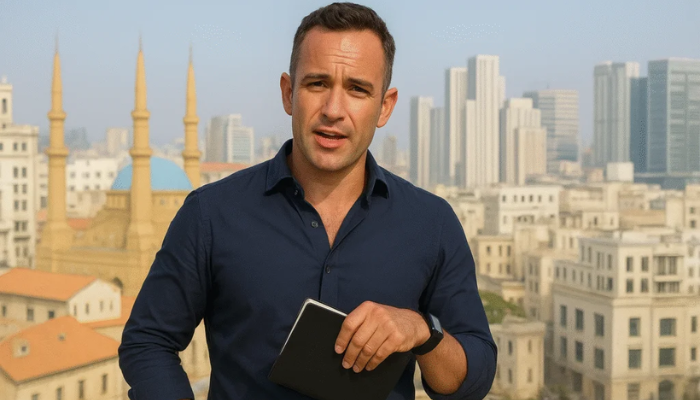
The phrase “Hugo Bachega accent” has become a point of curiosity for many viewers who regularly see the renowned journalist delivering reports from locations around the world. Whether he appears on television, digital broadcasts, or international news segments, his distinct voice and polished pronunciation often prompt viewers to wonder about his linguistic background and global experience. As an international correspondent whose work involves cross-cultural reporting, his accent is shaped by years of exposure to multilingual environments.
Understanding the Hugo Bachega accent is not just about identifying a particular regional sound; it also provides insight into his identity as a journalist who navigates global contexts with clarity and professionalism. His articulate and neutral tone makes his reporting accessible to audiences across continents. In this article, we will delve into the origins, nuances, and influence of his accent, examining how it enhances his work and contributes to his international appeal.
The Origins of the Hugo Bachega Accent
The Hugo Bachega accent has drawn attention because it blends clarity with a subtle international undertone, suggesting exposure to multiple cultures. A journalist with a global footprint naturally absorbs linguistic influences from different countries, colleagues, and communities. This often results in an accent that sounds neutral yet polished, making it ideal for international broadcasting, where clarity is essential. Many journalists who work in multilingual environments develop similarly neutral tones that appeal to diverse audiences.
Over time, professionals in international reporting tend to refine their accents to ensure that their diction is easy for global listeners to understand. This shaping process involves reducing strong regional markers and adopting a more standardized pronunciation that aligns with international news broadcasting norms. The Hugo Bachega accent reflects this evolution, merging his personal linguistic background with professional standards.
How a Global Career Shapes the Hugo Bachega Accent
A journalist reporting from different parts of the world frequently adapts their speech to communicate effectively with varied audiences and interviewees. The Hugo Bachega accent likely evolved through continuous interaction with multilingual environments. When working in global journalism, reporters often speak with individuals from diverse backgrounds, each bringing unique speech patterns and rhythms. These interactions subtly influence a reporter’s own pronunciation and intonation over time.
Furthermore, constant travel and international assignments can lead to a hybrid accent that feels both familiar and global. Exposure to different English dialects—such as British, American, and other global variations—can contribute to a flexible and versatile speaking style. This versatility not only enhances communication but also strengthens the connection between the journalist and the worldwide audience. The Hugo Bachega accent ultimately mirrors his global career path and multicultural experiences.
Why Audiences Find the Hugo Bachega Accent Appealing
One of the reasons viewers frequently comment on the Hugo Bachega accent is its balanced, neutral quality. A neutral accent is typically easier for audiences to understand, especially in fast-paced news environments where clarity is key. Listeners appreciate speech that is direct, articulate, and free of heavy regional markers, allowing them to focus on the content rather than deciphering pronunciation. This contributes to a sense of professionalism and trustworthiness.
In addition, accents carry subtle meaning; they can convey calmness, authority, and credibility. The controlled tone and measured pace that often accompany a neutral accent help reinforce the journalist’s reliability. For presenters who report on sensitive or urgent global events, this kind of delivery reassures viewers and maintains attention. Thus, the Hugo Bachega accent not only enhances comprehension but also strengthens the emotional connection between the reporter and the audience.
Accents in Journalism: The Role of Neutrality and Clarity
In international journalism, accents are more than personal characteristics—they are professional tools. Many broadcasters deliberately cultivate a neutral accent to ensure that global audiences can understand their reporting without distraction. The Hugo Bachega accent aligns with this principle, reflecting the broader industry trend toward clarity and accessibility. A neutral accent allows journalists to transcend regional boundaries, making their work universally relatable.
Neutrality does not diminish individuality but rather enhances communication. Reporters working in global media strive for speech that is efficient, precise, and adaptable across geographic boundaries. Accent training is common within the field, as many professionals work to refine syllable stress, pacing, and pronunciation. The Hugo Bachega accent exemplifies how a refined delivery contributes to effective international storytelling.
The Broader Impact of the Hugo Bachega Accent on Viewers and Reporting
The influence of the Hugo Bachega accent extends beyond sound—it impacts the reception of global news. A clear, steady voice can help convey complex or emotionally charged information with calmness and authority. When viewers feel that a journalist communicates effectively, they are more likely to stay engaged and trust the reporting. This connection plays a significant role in shaping public understanding of world events.
Additionally, as global audiences become more diverse, accents that are easy to understand gain greater value. A journalist whose voice carries an international quality can reach a broader audience without alienating viewers who may struggle with strong regional accents. The Hugo Bachega accent contributes to this inclusivity, reinforcing the power of communication as a bridge across cultures.
Conclusion
The Hugo Bachega accent represents more than a vocal characteristic—it embodies a blend of global experiences, professional refinement, and linguistic adaptability. His clear, internationally accessible tone enhances his storytelling and supports his role as a trusted voice in global journalism. By exploring the origins, influences, and audience impact of his accent, we gain a deeper understanding of how speech shapes the world of international reporting. Ultimately, the qualities that define his accent mirror the qualities that define effective journalism: clarity, connection, and a commitment to informing audiences worldwide.
FAQs
- What is the Hugo Bachega accent known for?
It is known for being neutral, clear, and easy for international audiences to understand. - Is the Hugo Bachega accent tied to a specific country?
It does not strongly reflect one specific region; it carries a more global or neutral tone. - Why do people search for “Hugo Bachega accent”?
Because viewers often notice his polished and articulate voice during broadcasts. - Does Hugo Bachega use accent training?
Many international journalists undergo speech training, and his refined style aligns with industry norms. - Why are neutral accents common in journalism?
They help ensure clarity and accessibility for global audiences. - Does multilingual exposure influence the Hugo Bachega accent?
Yes, years of interacting with diverse speech patterns can shape a journalist’s pronunciation. - Is the Hugo Bachega accent considered easy to understand?
Yes, its clarity is one of the reasons it is widely appreciated. - How does accent influence journalistic credibility?
A clear, steady tone can enhance trust, comprehension, and viewer engagement. - Can accents change due to international careers?
Absolutely—frequent travel and global interactions can naturally shape one’s accent. - Why is the Hugo Bachega accent a topic of interest?
Because his voice stands out in news reporting, prompting curiosity about its background.
About the Author