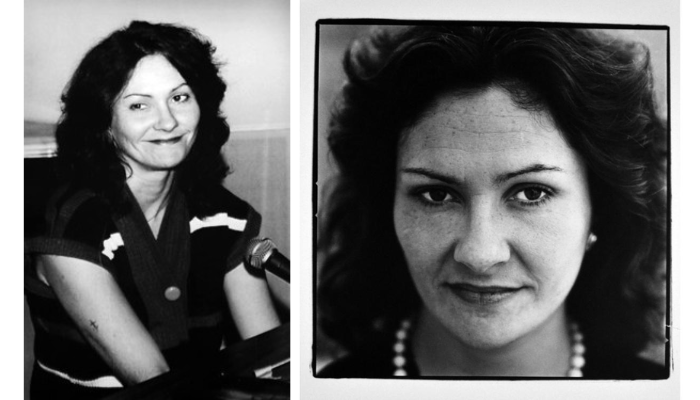
Mary Nightingale illness has become a topic of growing online interest, prompting fans and viewers to search for clarity, reassurance, and factual insight. As one of the most respected and recognizable faces in British broadcast journalism, Mary Nightingale has spent decades delivering news with authority, warmth, and composure. When public figures known for their consistency and professionalism face health-related speculation, it naturally captures attention.
This article takes an in-depth, respectful, and informative look at the subject of Mary Nightingale illness—separating fact from rumor, examining why public interest has surged, and highlighting how health conversations around well-known personalities often reflect broader societal attitudes toward wellness, privacy, and resilience. Rather than fueling speculation, this guide focuses on context, credibility, and understanding.
Understanding the Public Interest Around Mary Nightingale Illness
The topic of Mary Nightingale illness has drawn attention largely because of her long-standing presence in television news. When a familiar face appears to change routine, take time away, or looks noticeably different on screen, audiences naturally become concerned. This reaction is rooted not in gossip, but in a sense of connection built over years of trust and daily viewership.
Public curiosity around Mary Nightingale illness also reflects how audiences relate to media figures as constants in their lives. News presenters, unlike actors or musicians, are associated with stability and reliability. Any perceived disruption can trigger speculation, even when no official health concerns have been confirmed. This phenomenon demonstrates how visibility and consistency can amplify even minor changes into trending discussions.
Importantly, interest in Mary Nightingale illness underscores a broader cultural shift: people are more health-conscious than ever. Conversations about wellbeing, recovery, and balance have become normalized, and audiences are increasingly empathetic toward public figures navigating similar challenges to their own.
Separating Facts from Speculation About Mary Nightingale Illness
One of the biggest challenges surrounding Mary Nightingale illness is the spread of unverified claims. In the digital age, rumors can circulate rapidly, often without context or confirmation. A brief absence from television, a schedule adjustment, or even natural aging can become exaggerated into serious health narratives online.
What is crucial to understand is that Mary Nightingale has maintained a strong professional presence throughout her career. Any publicly acknowledged health-related matters have been handled with discretion, reflecting her preference for privacy rather than secrecy. This approach aligns with many professionals who choose to keep personal health matters separate from their public roles.
Speculation often fills gaps where information is limited. However, responsible discussion of Mary Nightingale illness should rely on confirmed statements, observable professional continuity, and respect for personal boundaries. Without official disclosures, assumptions can do more harm than good—both to the individual and to public understanding.
Media Responsibility and the Narrative Around Mary Nightingale Illness
The way Mary Nightingale illness is discussed highlights the responsibility of media and content creators. Sensational headlines may drive clicks, but they can also distort reality and create unnecessary concern. Ethical reporting requires balance—acknowledging public interest while avoiding intrusive or misleading narratives.
Mary Nightingale herself represents journalistic integrity, making it particularly important that discussions about her health follow similar standards. Responsible storytelling focuses on resilience, professionalism, and factual context rather than speculation. This approach not only protects individuals but also sets a healthier precedent for how society discusses illness.
The narrative around Mary Nightingale illness also reveals how audiences consume information today. Search engines reward clarity and relevance, but readers increasingly value credibility. Articles that emphasize understanding over alarmism tend to resonate more deeply and maintain long-term trust.
Health, Aging, and Resilience in the Public Eye
Discussions about Mary Nightingale illness often intersect with broader themes of aging and endurance in high-pressure careers. Broadcasting is demanding, requiring long hours, mental agility, and constant public scrutiny. Remaining active in such a field over decades is, in itself, a testament to resilience.
Rather than framing health conversations around decline, many readers interpret Mary Nightingale illness discussions as part of a larger narrative about longevity and balance. Modern audiences are increasingly aware that health journeys are not linear and that strength often includes knowing when to rest, adapt, or recalibrate.
Mary Nightingale’s continued professionalism reinforces an empowering message: health challenges, whether minor or significant, do not define capability. For many readers, this perspective is both comforting and inspiring, especially in a culture learning to normalize rest and recovery.
Why Respectful Curiosity Matters When Discussing Mary Nightingale Illness
The sustained interest in Mary Nightingale illness demonstrates how public curiosity can be both supportive and intrusive. Striking the right balance is essential. Respectful curiosity acknowledges admiration and concern without crossing into entitlement over personal information.
Public figures often serve as mirrors for societal experiences. Conversations about Mary Nightingale illness resonate because they touch on universal themes—uncertainty, strength, and the human need for reassurance. When handled thoughtfully, such discussions can foster empathy rather than speculation.
Ultimately, the most constructive approach is to focus on what Mary Nightingale represents: professionalism, credibility, and resilience. Health, whether discussed openly or privately, is just one aspect of a multifaceted career and life. Recognizing that complexity leads to more meaningful and ethical discourse.
Conclusion
The topic of Mary Nightingale illness continues to attract attention not because of confirmed medical revelations, but because of the deep respect audiences hold for her. As a trusted journalist and familiar presence, any perceived change naturally sparks concern and conversation.
This article has explored the origins of public interest, the importance of separating fact from speculation, and the broader cultural themes reflected in health-related discussions about public figures. Above all, it emphasizes the value of empathy, responsibility, and respect.
Mary Nightingale’s enduring career reminds us that health conversations—whether public or private—should be approached with care. In doing so, we not only honor the individual but also contribute to a more thoughtful and humane media environment.
Frequently Asked Questions (FAQs)
1. Why are people searching for Mary Nightingale illness?
Public interest stems from her long-standing media presence and natural concern when viewers notice changes or absences.
2. Has Mary Nightingale confirmed any serious illness?
There has been no indication of any major undisclosed illness beyond what has been responsibly acknowledged publicly.
3. Is Mary Nightingale still active in broadcasting?
Yes, she continues to maintain a strong professional presence in television journalism.
4. Are online rumors about Mary Nightingale illness reliable?
Most online rumors are speculative and not based on verified information.
5. Why do public figures face health speculation?
Visibility, routine appearances, and audience attachment often amplify minor changes into broader narratives.
6. Has Mary Nightingale addressed health topics publicly?
When relevant, she has done so with professionalism and discretion, prioritizing privacy.
7. Does aging play a role in Mary Nightingale illness discussions?
Many discussions reflect broader societal conversations about aging rather than specific health issues.
8. How should readers approach news about Mary Nightingale illness?
With critical thinking, reliance on credible sources, and respect for personal boundaries.
9. What can audiences learn from this discussion?
The importance of empathy, media literacy, and respectful curiosity.
10. Why is Mary Nightingale admired despite health speculation?
Her credibility, resilience, and decades-long commitment to journalism continue to define her legacy.
About the Author